
What Are the Different Types of African Traditional Clothing? A Guide to Nigerian Attire
African traditional clothing reflects the continent's diverse cultures, histories and identities. From the flowing Agbada worn at important celebrations to colourful Ankara dresses and elegant Nigerian Kaftans, African attire offers a wide range of styles for different occasions.
At ROWEIZ, we believe African clothing is an expression of Culture, Art and Identity. As African clothing tailors based in London, UK, we help clients bring their ideas to life through traditional and contemporary African attire.
Whether you are looking for Nigerian traditional clothing for a wedding, an outfit for a special occasion or a modern interpretation of African fashion, understanding the different styles is a good place to start.
1. Agbada
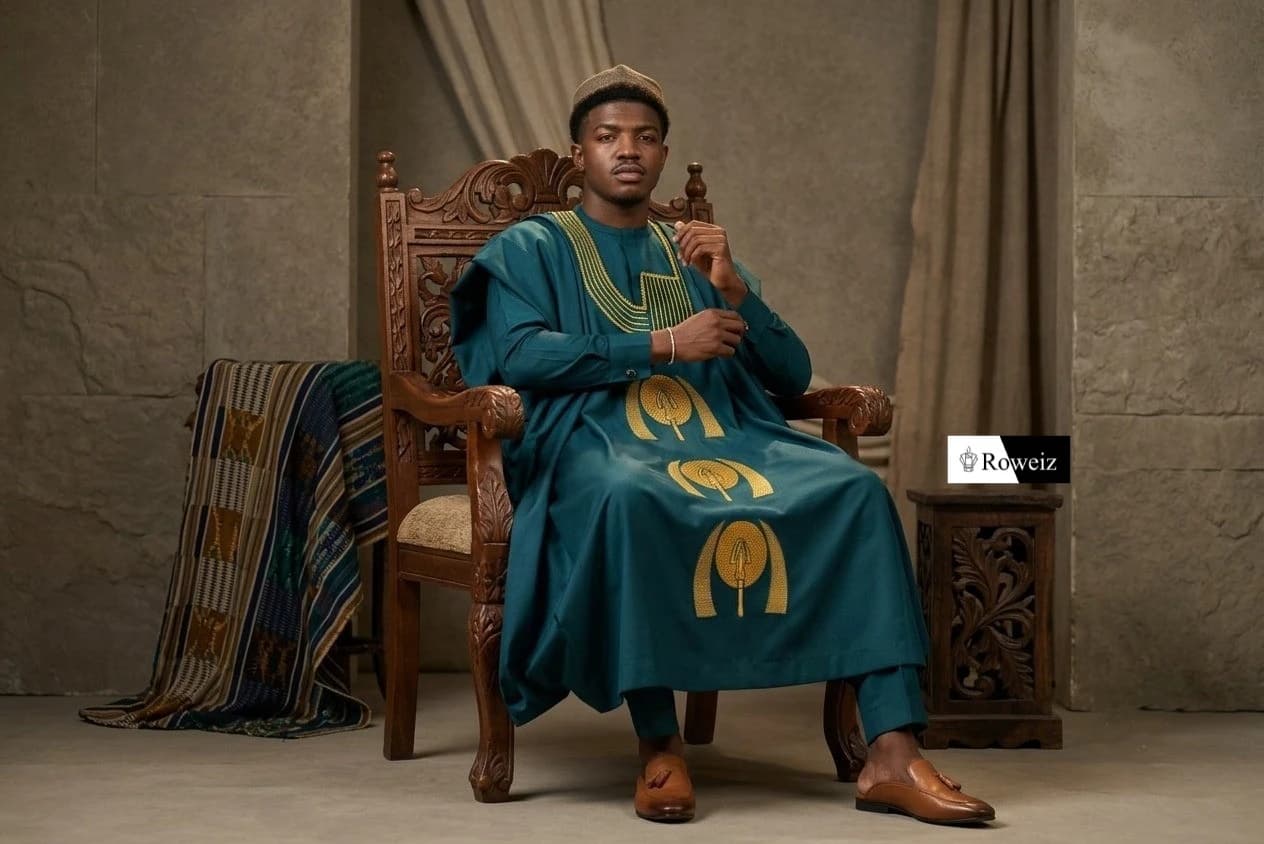
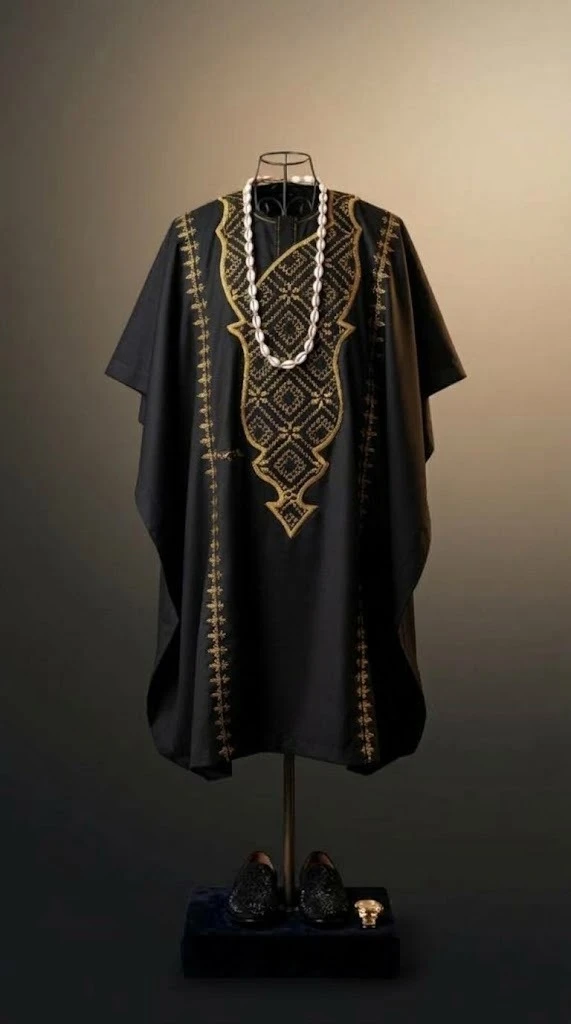
Agbada is one of the most recognisable forms of traditional Nigerian clothing, particularly among Yoruba communities. It is characterised by a flowing, wide-sleeved outer garment, often featuring detailed embroidery around the neckline and chest.
Agbada is commonly worn for weddings, traditional engagements, religious celebrations and other formal occasions. It is often paired with trousers, an inner top and a coordinating cap.
When having an Agbada made, consider the fabric, embroidery, length and overall fit. These details help determine how the finished outfit drapes and complements the wearer.
2. Nigerian Kaftan
The Nigerian Kaftan is a popular choice for men who want traditional African attire with a clean, comfortable silhouette. Depending on the design, it can feature a simple neckline, decorative embroidery or more elaborate detailing.
Kaftans are suitable for celebrations, social gatherings and everyday wear. They can be made in different fabrics and colours, allowing the style to range from understated to more elaborate.
A tailor can adjust the length, sleeve style, neckline and fit to suit your preferences.
3. Senator Wear
Senator wear is a contemporary Nigerian menswear style commonly consisting of a fitted or semi-fitted top and matching trousers. The top often features a round neckline with embroidery or contrasting fabric details.
It is popular for weddings, business occasions, parties and other events where a coordinated traditional outfit is appropriate.
The cut and proportions are important when tailoring Senator wear. A well-planned design should provide comfort while maintaining a neat, structured appearance.
4. Dashiki
The Dashiki is recognised for its distinctive neckline and decorative patterns. It is associated with West African clothing and has become popular in contemporary African-inspired fashion worldwide.
Dashikis can be worn casually or styled for cultural celebrations, depending on the fabric, cut and accompanying garments.
They are available in different silhouettes, from relaxed tops to longer tunics. Choosing the right fabric and design allows the garment to reflect your personal style.
5. Bubu and Boubou
Bubu, also written as Boubou, refers to a loose-fitting garment worn in different forms across West Africa. It is particularly popular in women's African fashion, although variations are worn by men as well.
Bubu gowns are appreciated for their flowing shape, comfort and versatility. They can be created in Ankara, lace, embroidered fabrics and other suitable materials.
Design choices such as sleeve shape, neckline, length and embellishment can give a Bubu gown a traditional or contemporary appearance.
6. Ankara Clothing
Ankara is widely recognised for its colourful wax-print fabrics and distinctive patterns. It is used to create many types of African clothing, including dresses, skirts, shirts, trousers, jackets and coordinated outfits.
Unlike Agbada or Kaftan, Ankara describes the fabric style rather than one specific garment.
Ankara clothing can be tailored for everyday wear, celebrations, traditional weddings and Aso Ebi occasions. The fabric's pattern, weight and drape should be considered when deciding on a design.
7. Traditional African Dresses and Wedding Attire
African dresses encompass a wide variety of styles, from fitted Ankara dresses to flowing gowns made with lace, brocade and other decorative fabrics.
For Nigerian weddings and traditional engagements, outfits may be designed around a chosen colour scheme, Aso Ebi fabric or cultural dress code.
When commissioning African wedding attire, it helps to discuss the occasion, preferred silhouette, fabric, finishing details and measurements with your tailor well in advance.
How to Choose the Right African Traditional Outfit
The best African attire depends on the occasion, your personal style, comfort and the garment you want to create.
Before choosing a design, consider:
The occasion: Decide whether you need everyday African clothing, wedding attire or formal traditional wear.
The fabric: Consider comfort, breathability, texture and how the material will drape.
The fit: Choose a silhouette that suits your preferences and allows comfortable movement.
The details: Think about embroidery, colour combinations, sleeves, necklines and other finishing touches.
The tailoring process: Discuss your requirements and measurements before production begins.
Working with an experienced African clothing tailor can help you make informed decisions and achieve a result that reflects your vision.
Looking for an African Tailor Near Me?
If you have searched for “African tailor near me” or “Nigerian tailor near me,” you are likely looking for someone who understands African garments, traditional styling and the importance of getting the details right.
ROWEIZ is an African clothing tailoring business based in London, UK, creating traditional and contemporary clothing for men and women.
Our digital platform also helps clients begin the tailoring process without necessarily visiting our studio first. You can discuss your design, arrange a consultation and receive guidance on measurements and garment requirements.
Whether you need an Agbada, Nigerian Kaftan, Senator outfit, Bubu gown or African wedding attire, we aim to make having your clothing made a more accessible, stress-free and reliable experience.
Book a consultation: https://www.roweiz.com/book-consultation/
Book an in-person measurement appointment: https://www.roweiz.com/measurements-booking
African Clothing That Reflects Culture, Art and Identity
African traditional clothing continues to evolve while remaining connected to the cultures and communities that inspire it. From established Nigerian styles to contemporary interpretations of African fashion, every garment offers an opportunity for personal expression.
At ROWEIZ, our mission is to make African clothing more accessible through a digital platform and to make the tailoring experience as straightforward and reliable as possible.
Culture. Art. Identity.
That is the foundation of ROWEIZ.
Explore our work and begin your tailoring journey at roweiz.com.